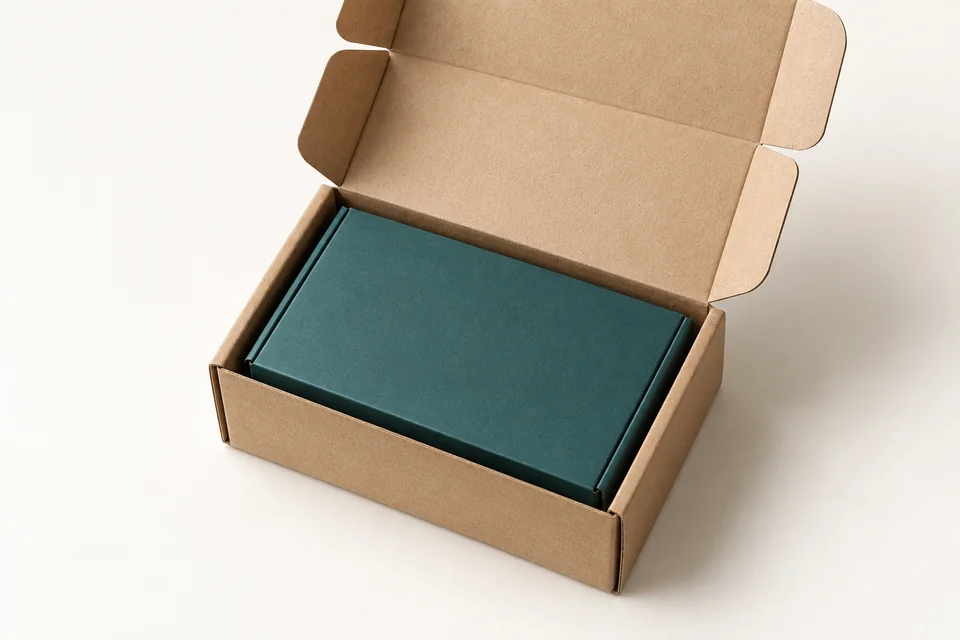
Choosing the right box size, often called right-sizing, helps reduce excess around the set while still maintaining the necessary protection space. The goal is a medium-sized box, easy to close and safe for delivery, without having to squeeze the box close to the product.
Get data from real orders
Choose representative orders including singles, multi-piece sets and peak sales groups. Measure after adding the protective layer, recording the mass and stacking direction. Group single shapes that are close together to find box sizes that can be shared.
Separate the portion to be protected from the remainder
Distinguish the padding space to protect fragile goods from the empty space caused by choosing a box that is too large. When trying on a new size, review the tray, insert, and product placement; shrinking the box may not be enough.
| Index | How to compare before and after |
|---|---|
| Materials | Box volume and insert per order |
| Shipping | Package size and actual route fee schedule |
| Quality | Damage, dents and complaints are the same type of application |
Check actual rates
Use the fee schedule and conversion volume formula in the delivery unit's contract. Smaller boxes may reduce volume but not reduce shipping costs if they remain within the same charging threshold.
Test run before replacing the whole thing
Test run a single group first. Record closing time, amount of materials, delivery fee and received goods status. For fragile products, a suitable test method is needed before replacing the entire box.
Balance fit and number of sizes to manage
Adding more sizes may reduce space but increases inventory and the risk of mis-selection. Look for easy-to-operate size sets that cover the majority of your order instead of making a separate box for each product.
Send SquareBag representative sets and box sizes in use to try out a suitable solution.
Explore Paper box solutions or Exchange specifications with SquareBag.
See Paper Box group